

Are you tired of feeling overwhelmed by daily stress? It is easy to fall into the habit of counting your troubles instead of your blessings when life becomes difficult. Yet, modern neuroscience reveals that a simple shift in your mindset can increase happiness and improve your overall well-being.
Stop letting small daily worries steal your inner peace. Research shows that a grateful heart can support better mental health, reduce stress, and help you see life more positively. Keep reading to discover how this simple habit can transform your life, one grateful thought at a time.
What Does It Mean to Count Your Blessings, Not Your Troubles?

To count your blessings, not your troubles means choosing to focus on the good things in your life instead of dwelling on problems. Everyone faces difficulties, disappointments, and unexpected challenges. However, constantly thinking about what is missing or going wrong can leave you feeling stressed and discouraged. Gratitude helps shift your attention toward the positive moments, people, and opportunities that often go unnoticed.
This mindset does not mean ignoring pain or pretending that problems do not exist. Instead, it encourages you to acknowledge life’s challenges while also recognizing the blessings that remain. These blessings can be as simple as good health, supportive family members, close friends, a safe home, or even the chance to start a new day. Appreciating these gifts creates a more balanced and hopeful outlook on life.
When you develop the habit of gratitude, your perspective begins to change. Instead of asking, “Why is this happening to me?” you start asking, “What can I learn from this, and what am I thankful for today?” This simple shift helps reduce negative thinking and builds emotional strength. Over time, you become more resilient, optimistic, and better prepared to handle life’s ups and downs.
Living with a grateful heart is a daily choice rather than a one-time decision. By taking a few moments each day to notice your blessings, you train your mind to focus on hope instead of fear. As this habit grows, you will discover that true happiness often comes not from having more, but from appreciating what you already have. This is the true meaning of counting your blessings, not your troubles.
How Gratitude Improves Physical Health
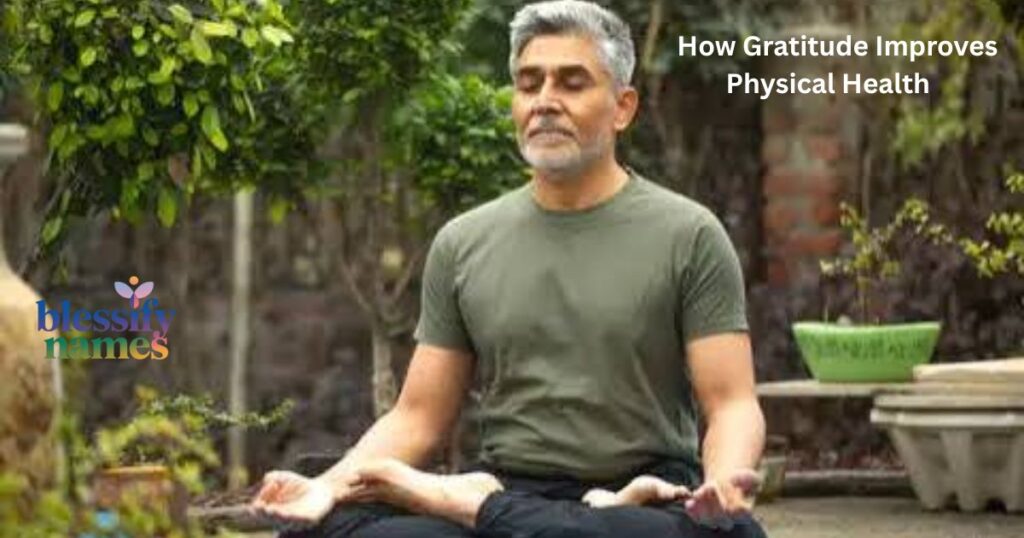
Gratitude does more than improve your mood. It can also have a positive effect on your physical health. When you focus on the good things in your life, your body responds by reducing stress and promoting relaxation. This healthy response supports many important functions, including your heart, immune system, and overall well-being.
One of the biggest physical benefits of gratitude is better sleep. People who practice gratitude before bedtime often fall asleep more easily and enjoy deeper, more restful sleep. Taking a few moments each night to think about your blessings can calm your mind and reduce the racing thoughts that often keep people awake.
A grateful heart also helps lower stress levels. Chronic stress causes the body to release hormones such as cortisol, which can contribute to high blood pressure, headaches, and fatigue over time. By practicing gratitude regularly, you may feel calmer and more relaxed, helping your body recover from the effects of daily stress.
Gratitude can also encourage healthier lifestyle choices. People who appreciate their health are more likely to exercise, eat nutritious foods, stay hydrated, and attend regular medical checkups. These positive habits work together to improve physical fitness and reduce the risk of many health problems.
In addition, gratitude strengthens the connection between the mind and body. When you maintain a positive outlook, you may experience more energy, greater motivation, and improved resilience during difficult times. While gratitude is not a cure for illness, it is a powerful daily habit that supports both mental and physical health.
Choosing to count your blessings, not your troubles is a simple practice that benefits your entire body. Over time, this habit can help you sleep better, manage stress more effectively, and enjoy a healthier, more balanced life.
Why Our Brains Naturally Focus on Negative Experiences

Our brains are naturally wired to notice negative experiences more than positive ones. This tendency is known as the negativity bias. Thousands of years ago, paying attention to danger helped humans survive. Remembering threats such as wild animals, harsh weather, or unsafe places increased the chances of staying alive. Although life has changed, our brains still react more strongly to problems than to pleasant events.
Because of this natural bias, one criticism can stay in your mind longer than several compliments. A small mistake may feel bigger than many successes. This is why people often spend more time worrying about what went wrong instead of appreciating what is going well. Over time, this habit can increase stress, anxiety, and emotional exhaustion.
The good news is that the brain can learn new patterns. Practicing gratitude helps shift attention from constant worry to meaningful appreciation. When you regularly count your blessings, not your troubles, your mind begins to notice positive moments more often. This does not mean ignoring life’s challenges. Instead, it means giving equal attention to the good things that already exist in your life.
Understanding how your brain works is the first step toward lasting change. Once you recognize your natural focus on negative experiences, you can consciously choose a healthier perspective. With daily gratitude, your thoughts become more balanced, your emotions grow stronger, and living with a grateful heart becomes a natural part of your everyday life.
The Science of Gratitude: What Research Reveals
Gratitude is more than a positive emotion. Scientists have found that it creates measurable changes in the brain and supports overall well-being. Research in psychology and neuroscience suggests that people who practice gratitude regularly tend to feel happier, experience less stress, and enjoy better emotional health. These benefits come from training the mind to notice and appreciate the positive parts of life instead of focusing only on problems.
Studies also show that gratitude activates brain regions linked to reward, learning, and emotional regulation. When you express appreciation, your brain releases chemicals such as dopamine and serotonin, which are associated with feelings of happiness and contentment. These natural chemicals help improve your mood, encourage positive thinking, and make it easier to cope with everyday challenges.
Researchers have found that practicing gratitude can also lower stress and improve resilience. People who keep a gratitude journal, reflect on their blessings, or regularly thank others often report lower levels of anxiety and greater life satisfaction. Over time, these simple habits can help create a more optimistic outlook and improve mental well-being.
The science is clear: gratitude is not about pretending that life is perfect or ignoring difficulties. Instead, it is about training your mind to recognize the good that exists alongside life’s challenges. When you count your blessings, not your troubles, you build a healthier mindset that supports lasting happiness, stronger relationships, and a more grateful heart.
Common Habits That Keep You Focused on Troubles
Many people unknowingly develop habits that keep their minds fixed on problems instead of blessings. These habits can increase stress, reduce happiness, and make everyday challenges feel much larger than they really are. Recognizing these patterns is the first step toward building a more grateful and positive mindset.
Constant Comparison
Comparing your life to others is one of the quickest ways to lose sight of your own blessings. Social media often shows only the happiest moments of other people’s lives, making it easy to feel that you are falling behind. Instead of comparing yourself with others, focus on your own progress and appreciate what you already have.
Negative Self-Talk
The way you speak to yourself has a powerful impact on your emotions. Constantly thinking, “I’m not good enough” or “Nothing ever works out for me,” strengthens negative beliefs. Replace these thoughts with encouraging and grateful statements that remind you of your strengths, achievements, and opportunities.
Complaining Too Often
Everyone faces difficulties, but complaining about every inconvenience trains your brain to notice more problems. While it is healthy to express your feelings, making complaints a daily habit can prevent you from seeing the good things in your life. Try balancing every complaint with something you are thankful for.
Dwelling on Past Mistakes
Thinking repeatedly about past failures can keep you trapped in regret. Although learning from mistakes is important, constantly replaying them in your mind steals your peace and confidence. Accept the lessons, forgive yourself, and focus on the opportunities that lie ahead.
Worrying About the Future
Spending too much time worrying about things that may never happen creates unnecessary anxiety. Instead of imagining the worst, focus on what you can control today. Gratitude helps you stay present and appreciate the blessings that exist right now.
Ignoring Small Blessings
People often wait for major achievements before feeling grateful, but life’s greatest joys are usually found in small moments. Good health, supportive family, kind friends, a peaceful morning, or a simple smile are blessings worth appreciating. Noticing these everyday gifts helps shift your focus away from troubles.
Turning Your Focus Toward Gratitude
Breaking these habits takes time, but every small step matters. By replacing comparison, negative thinking, constant complaints, and worry with gratitude, you train your mind to see more hope than hardship. As you count your blessings instead of your troubles, you will develop a healthier outlook and enjoy greater peace, resilience, and happiness.
How Gratitude Strengthens Relationships

Gratitude is one of the simplest ways to build stronger and healthier relationships. When you regularly express appreciation, people feel valued, respected, and understood. A sincere “thank you” or a kind word can make family members, friends, and coworkers feel more connected. Small acts of gratitude create trust and encourage positive communication, making relationships more meaningful over time.
People who practice gratitude are often more patient, forgiving, and compassionate. Instead of focusing on others’ mistakes, they recognize their kindness and support. This positive mindset helps reduce conflicts and makes it easier to solve problems peacefully. As a result, relationships become stronger because both people feel appreciated rather than criticized.
Gratitude also encourages generosity and kindness. When someone feels appreciated, they are more likely to return that kindness to others. This creates a positive cycle of respect, encouragement, and support. Whether it is thanking a spouse for daily help, appreciating a friend’s advice, or recognizing a coworker’s effort, gratitude strengthens emotional bonds and builds lasting trust.
Living with a grateful heart means valuing the people who make your life better. By choosing to count your blessings, not your troubles, you focus on the good qualities in others instead of their imperfections. Over time, this habit creates happier families, stronger friendships, and healthier relationships that are built on love, respect, and genuine appreciation.
Teaching Children to Count Their Blessings
Teaching children to count their blessings is one of the greatest gifts parents and caregivers can offer. When children learn to appreciate what they have instead of focusing on what they lack, they develop a positive attitude toward life. Gratitude helps them become happier, kinder, and more respectful as they grow.
Children learn best by watching the adults around them. When parents regularly say “thank you,” show appreciation, and talk about the good things in life, children are more likely to adopt the same habits. Simple actions, such as expressing gratitude for a meal, a beautiful day, or a helping hand, can leave a lasting impression.
Creating daily gratitude routines makes the habit easier to build. Encourage children to share one or two things they are thankful for each day, perhaps during dinner or before bedtime. They can also keep a small gratitude journal or draw pictures of people and moments that make them happy. These activities teach them to notice the positive experiences in their lives.
It is also important to help children appreciate simple blessings rather than only special occasions. Good health, loving family members, supportive friends, opportunities to learn, and even small acts of kindness are valuable gifts. When children recognize these everyday blessings, they become more content and less likely to compare themselves with others.
As children grow, gratitude helps them become more resilient during difficult times. Instead of feeling defeated by challenges, they learn to focus on hope, support, and opportunities for growth. Teaching children to count their blessings, not their troubles builds a grateful heart that can guide them toward a happier, healthier, and more meaningful life.
Inspiring Examples of Gratitude in Everyday Life

Gratitude can be found in the simplest moments of everyday life. Imagine someone who starts each morning by thinking of three things they are thankful for, such as good health, a loving family, or a warm cup of tea. This small habit helps them begin the day with a positive mindset instead of focusing on worries. Over time, they feel calmer, happier, and more hopeful about the future.
Another inspiring example is a person who loses a job but chooses to be grateful for the opportunity to learn new skills. Instead of giving up, they focus on what they still have, including their experience, supportive friends, and the chance to start a new career. Their grateful attitude gives them the confidence to keep moving forward despite the challenges.
Gratitude also strengthens relationships. A husband who regularly thanks his wife for her care or a child who appreciates their parents’ support creates a home filled with love and respect. Simple words like “thank you” or small acts of kindness make people feel valued and deepen emotional connections.
Even during difficult times, gratitude can make a meaningful difference. A person recovering from an illness may choose to appreciate each small improvement instead of dwelling on what they have lost. Celebrating these little victories brings hope and motivation, making the healing journey feel more manageable.
These everyday examples show that gratitude is not about having a perfect life. It is about noticing the good that already exists, even in challenging situations. When you choose to count your blessings, not your troubles, you train your mind to focus on hope, joy, and possibilities. Over time, this simple practice can transform the way you think, feel, and live.
How to Start Living with a Grateful Heart Today
Living with a grateful heart begins with a simple decision to notice the good in your life. Every morning, take a few moments to think about three things you are thankful for. They do not have to be big achievements. A loving family, good health, a peaceful home, or even a beautiful sunrise are meaningful blessings worth appreciating. This small habit can set a positive tone for the rest of your day.
Another helpful practice is to keep a gratitude journal. Write down the positive moments you experience each day, no matter how small they seem. Over time, you will build a collection of happy memories that remind you of the good in your life. Reading these notes during difficult times can lift your spirits and help you focus on hope instead of worry.
Make gratitude part of your daily actions by expressing appreciation to the people around you. Say “thank you” sincerely, recognize the kindness of others, and let your loved ones know how much they mean to you. These simple gestures strengthen relationships and create a more positive environment for everyone.
Finally, remember that gratitude is a habit that grows with practice. Some days will be more challenging than others, but choosing to count your blessings, not your troubles can gradually change the way you think and feel. As you continue this journey, you may discover greater peace, stronger resilience, and a happier, more meaningful life with a truly grateful heart.
Frequently Asked Questions
What does “count your blessings, not your troubles” mean?
It means focusing on the positive things in your life instead of dwelling on problems. This mindset helps you develop gratitude, reduce stress, and improve your overall well-being.
How does gratitude improve mental health?
Gratitude helps shift your attention away from negative thoughts. Research suggests that practicing gratitude regularly can reduce stress, improve mood, and increase emotional resilience.
Can gratitude really change the way the brain works?
Yes. Studies show that regular gratitude practice can strengthen positive thinking patterns and support healthy brain function over time. It encourages the brain to notice positive experiences more often.
What are the benefits of living with a grateful heart?
A grateful heart can lead to better mental health, improved relationships, lower stress, better sleep, and greater happiness. It also helps you face life’s challenges with a more positive attitude.
How can I practice gratitude every day?
You can keep a gratitude journal, thank others sincerely, reflect on your blessings each morning or evening, and appreciate the small joys in everyday life.
Why do people focus more on troubles than blessings?
The human brain has a natural negativity bias, which makes it pay more attention to problems and potential threats. Practicing gratitude helps balance this tendency.
Does gratitude help reduce stress and anxiety?
Yes. Regular gratitude practice can help lower stress levels, promote relaxation, and encourage a calmer, more positive outlook on life.
How long does it take to develop a grateful mindset?
There is no fixed timeline, but many people notice positive changes after practicing gratitude consistently for several weeks. The key is to make gratitude a daily habit.
Conclusion
Choosing to count your blessings, not your troubles is one of the simplest ways to create a happier and more peaceful life. While challenges are a natural part of life, focusing on what you have instead of what you lack can transform your mindset. Gratitude helps reduce stress, strengthens relationships, and improves both mental and emotional well-being. By practicing thankfulness each day, you can build a more positive outlook and enjoy the present moment.
Living with a grateful heart is not about ignoring difficulties. It is about recognizing that even during hard times, there are always blessings to appreciate. Start with one small act of gratitude today, and let it become a daily habit. Over time, this simple practice can lead to greater happiness, stronger resilience, and a more meaningful life filled with hope, joy, and inner peace.
