

Why Gratitude Is Good for Your Brain may sound surprising, but science shows it is true. What if one small habit could make you feel happier, calmer, and more positive every day? That habit is gratitude. It costs nothing, but it can change the way your brain works.
When you choose to be thankful, your brain begins to focus on the good things in life. This can help reduce stress, improve your mood, and give you more hope each day. In this article, you will learn the science behind gratitude and discover why a grateful heart is good for your brain and your life.
What Is Gratitude and Why Is It Important?

Why Gratitude Is Good for Your Brain starts with one simple habit that can change the way you think and feel. Have you ever noticed how one negative moment can ruin your whole day? Gratitude helps you break that pattern. It teaches your mind to notice the good things that are already around you. Whether it is your health, your family, a kind friend, or a peaceful morning, every small blessing gives your heart a reason to smile.
Gratitude is more than saying “thank you.” It is a way of looking at life with hope instead of fear. It does not remove your problems, but it helps you face them with a stronger and calmer mind. Studies show that thankful people often feel less stress, enjoy better relationships, and experience greater happiness. As you practice gratitude each day, your brain slowly learns to focus on positive experiences instead of only looking for what is wrong.
The best part is that anyone can develop a grateful heart. You do not need a perfect life or expensive things to feel thankful. Simply taking a few moments each day to notice your blessings can make a real difference. This small habit can improve your mood, strengthen your mind, and help you enjoy life more. Next, let’s discover how gratitude changes the way your brain works and why science supports this powerful habit.
What Is Gratitude and Why Is It Important?

Gratitude is more powerful than many people think. It is the simple habit of noticing and appreciating the good things in your life. These can be big moments, like getting a new job, or small moments, like enjoying a warm cup of tea or a kind smile. When you focus on what you have instead of what you lack, life begins to feel more positive and meaningful.
How Gratitude Changes the Way Your Brain Works starts with a simple choice. Every time you feel thankful, your brain pays more attention to positive experiences. Over time, this helps create healthier thinking patterns. Instead of always looking for problems, your mind becomes better at noticing hope, joy, and new opportunities.
Science also shows that gratitude can improve both your mental and emotional well-being. People who practice gratitude often feel less stress and worry. They also enjoy better sleep, stronger relationships, and a more positive outlook on life. While gratitude cannot remove every challenge, it helps you face difficult times with greater strength and hope.
The good news is that anyone can practice gratitude. You do not need money, special skills, or perfect circumstances. You can start by writing down three things you are thankful for each day or by saying “thank you” more often. These small habits may seem simple, but they can make a big difference over time.
Now that you understand what gratitude is and why it matters, let’s explore how gratitude changes the way your brain works and discover the science behind this amazing habit.
The Science Behind Gratitude and a Healthy Brain
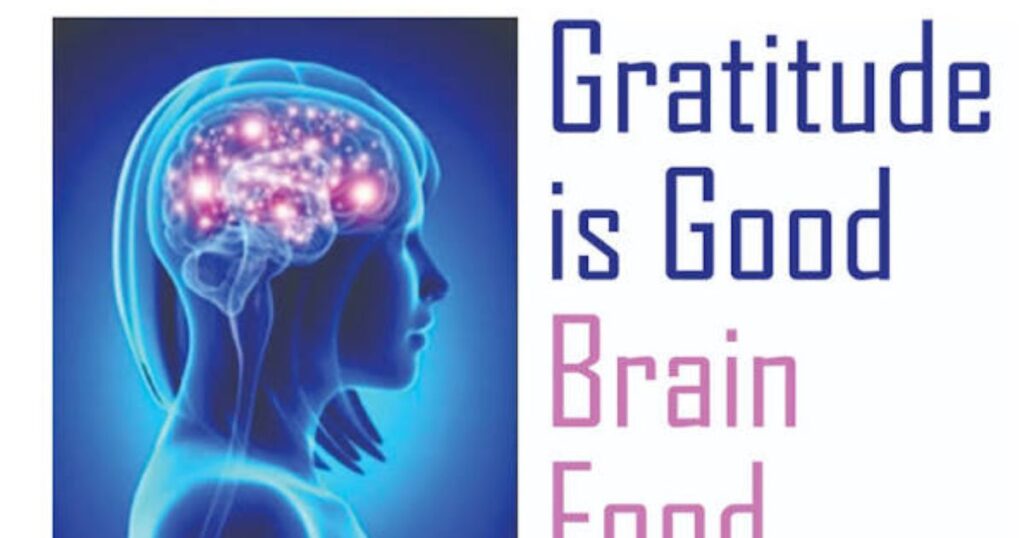
The Science Behind Gratitude and a Healthy Brain is more exciting than many people think. Scientists have found that feeling thankful does more than lift your mood. It can actually change the way your brain works. A simple habit of gratitude can help your mind become calmer, stronger, and more positive over time.
When you practice gratitude, your brain releases chemicals like dopamine and serotonin. These are often called the “feel-good” chemicals because they help improve your mood and bring a sense of happiness. As a result, you may feel less worried, more hopeful, and better able to handle daily challenges.
Research also shows that gratitude helps build new positive thinking patterns in the brain. Instead of focusing only on problems, your brain starts to notice the good things around you. For example, you may become more thankful for your family, friends, good health, or even small moments of joy. This positive shift can make life feel more meaningful.
Another benefit is that gratitude can lower stress. When you spend a few minutes each day thinking about your blessings, your mind begins to relax. Over time, this simple habit may improve your sleep, increase your focus, and support better mental health. Even writing down three things you are thankful for each day can make a real difference.
The best part is that anyone can practice gratitude. You do not need special skills or expensive tools. All you need is a willing heart and a few quiet moments each day. The more you practice, the more your brain learns to look for hope instead of worry.
Now that you understand the science behind gratitude, let’s explore why our brains naturally pay more attention to negative experiences.
Why Your Brain Naturally Focuses on Negative Things
Have you ever wondered why one bad moment can stay in your mind longer than many happy ones? Your brain is designed to notice danger first. Long ago, this helped people stay safe from threats. Even today, your brain still pays more attention to problems than positive experiences.
The Science Behind Gratitude and a Healthy Brain helps explain why this happens. Experts call it the negativity bias. This means your brain remembers negative events more easily because it sees them as important for survival. As a result, you may worry about mistakes, bad news, or stressful situations more than the good things in your life.
The good news is that your brain can learn new habits. When you practice gratitude, you train your mind to notice blessings instead of only problems. Saying “thank you,” writing in a gratitude journal, or thinking about three good things each day can slowly change the way your brain responds. Over time, these simple habits help create more positive thoughts.
Research also shows that gratitude can lower stress, improve your mood, and help you feel calmer. It does not make your problems disappear, but it helps you see life in a more balanced way. Instead of focusing only on what is wrong, you begin to notice what is going well.
Understanding why your brain naturally focuses on negative things is the first step toward changing that pattern. Next, let’s explore how gratitude can reduce stress and bring more happiness into your daily life.
How Gratitude Helps Reduce Stress and Boost Happiness
Have you ever noticed how one thankful thought can change your whole day? Gratitude is a simple habit, but it has a powerful effect on your mind. It helps you look beyond your worries and focus on the good things in your life. Even small moments of thankfulness can make you feel calmer and happier.
The Science Behind Gratitude and a Healthy Brain shows that gratitude helps lower stress by changing the way your brain reacts to daily challenges. When you think about the good things in your life, your brain spends less time focusing on fear and negative thoughts. As a result, you may feel more relaxed, hopeful, and emotionally balanced.
Gratitude can also increase happiness. It reminds you of the people, moments, and blessings that bring joy to your life. Instead of thinking about what you do not have, you begin to appreciate what you already have. This positive way of thinking can improve your mood and help you enjoy each day more.
For example, writing down three things you are thankful for each evening can make a big difference over time. You might be thankful for your family, a kind friend, good health, or even a beautiful sunset. These simple habits train your brain to notice positive experiences instead of only problems.
The more you practice gratitude, the easier it becomes to stay calm during difficult times. While life will always have challenges, a grateful heart helps you face them with greater hope and strength. Next, let’s explore the amazing benefits gratitude brings to your mind and emotions.
The Amazing Benefits of Gratitude for Your Mind and Emotions

Have you ever noticed how a simple “thank you” can brighten your whole day? Gratitude is more than good manners. It is a powerful habit that can improve your thoughts, feelings, and daily life. The Science Behind Gratitude and a Healthy Brain shows that being thankful helps your brain focus on positive experiences instead of negative ones. Over time, this can make you feel happier and more hopeful.
When you practice gratitude, your mind becomes calmer and more balanced. You spend less time worrying and more time enjoying the good things around you. Studies suggest that grateful people often feel less stress and more joy. They also find it easier to stay positive during difficult times. Even taking a few minutes each day to think about your blessings can make a real difference.
Gratitude also supports your emotional health. It helps you feel more connected to family, friends, and the people around you. Saying “thank you” or showing appreciation can build stronger relationships and create more trust. As a result, you may feel less lonely and more supported. A grateful heart also makes it easier to forgive, show kindness, and understand others.
The best part is that anyone can build this habit. You can write down three good things each day, thank someone who helped you, or simply take a moment to notice life’s small blessings. These simple actions train your brain to look for the positive instead of the negative. As you continue reading, you’ll discover easy daily habits that can make gratitude a natural part of your life.
Simple Daily Gratitude Habits That Improve Brain Health
A few minutes of gratitude each day can make a big difference in how your brain feels and works. The Science Behind Gratitude and a Healthy Brain shows that small daily habits can help you think more positively, lower stress, and improve your mood. The best part is that anyone can practice gratitude, no matter their age or lifestyle.
Start each morning by thinking of three things you are thankful for. They do not have to be big. You can be grateful for your family, good health, a sunny day, or even a warm cup of tea. This simple habit trains your brain to notice the good instead of only the problems. Over time, your mind becomes more positive and hopeful.
Another easy habit is to keep a gratitude journal. Write down a few blessings before you go to bed each night. This helps your brain remember happy moments and can improve your sleep. You can also thank people who help you, even for small acts of kindness. Saying “thank you” not only makes others feel good but also brings joy to your own heart.
Try to pause during the day and notice simple blessings around you. Listen to birds, enjoy nature, or spend quality time with loved ones. These moments remind your brain that life is filled with good things. As you repeat these habits every day, they become a natural part of your thinking.
Daily gratitude is not about ignoring problems. It is about giving your brain a healthy balance by focusing on both challenges and blessings. Next, let’s look at the common mistakes that stop many people from feeling truly grateful.
Common Gratitude Mistakes and How to Avoid Them
Many people think gratitude is easy, but small mistakes can stop it from making a real difference. The Science Behind Gratitude and a Healthy Brain shows that gratitude works best when it is honest and practiced every day. It is not about pretending that life is perfect. It is about noticing the good, even during hard times.
One common mistake is only feeling grateful when something big happens. In reality, small blessings matter just as much. A kind smile, a healthy meal, or a quiet morning can all bring joy. Another mistake is comparing your life to others. Comparison often creates stress and takes your attention away from the good things you already have.
Some people also rush through their gratitude practice. They write a quick list without thinking about it. Instead, take a few moments to truly appreciate each blessing. Think about why it matters and how it makes your life better. This simple habit helps your brain build stronger positive thoughts over time.
Another mistake is expecting gratitude to remove every problem. Life will always have challenges. Gratitude does not ignore them. Instead, it helps you face them with a calmer and stronger mind. This is one reason why researchers connect gratitude with better mental health, lower stress, and greater emotional balance.
The best way to avoid these mistakes is to make gratitude a daily habit. Be thankful for both big and small blessings. Stay honest about your feelings, and keep your focus on what you have instead of what you lack. In the next section, we’ll explore what scientific research has discovered about gratitude and its powerful effects on the brain.
What Research Says About Gratitude and Mental Well-Being

Did you know that a few minutes of gratitude each day can make a real difference in how you think and feel? Many studies show that gratitude is more than a kind habit. It is a simple practice that can support a healthier mind and a happier life. The Science Behind Gratitude and a Healthy Brain continues to show that thankful people often enjoy better mental well-being.
Researchers have found that people who practice gratitude regularly feel less stress and worry. They also report higher levels of happiness and hope. When you focus on the good things in your life, your brain slowly learns to notice more positive experiences. This can help reduce negative thinking and improve your emotional balance over time.
Gratitude also helps build stronger relationships. Saying “thank you” or showing appreciation makes people feel valued and connected. These positive emotions support mental health and create a greater sense of peace. Even simple habits, like writing down three things you are thankful for each day, can have lasting benefits.
The science does not say that gratitude removes every problem. Instead, it helps you face challenges with a calmer and stronger mind. Over time, this healthy habit can improve your outlook on life and help you recover more quickly from difficult situations. That is why many experts encourage people to make gratitude part of their daily routine.
Now that you know what research says, let’s explore simple daily habits that can train your brain to become more grateful.
How to Start Training Your Brain to Be More Grateful Today
Your brain can change for the better, and gratitude is one of the easiest ways to begin. The Science Behind Gratitude and a Healthy Brain shows that small daily habits can help you think more positively over time. You do not need special skills or expensive tools. All you need is a few minutes and a willing heart.
Start each morning by thinking of three things you are thankful for. They can be simple, like a good night’s sleep, a warm meal, or a kind smile. This easy habit helps your brain notice the good instead of only the problems. Over time, it becomes easier to see the positive side of everyday life.
Another helpful habit is to keep a gratitude journal. Write down a few blessings before you go to bed each night. You can also thank someone who has helped you or tell your family how much you appreciate them. These small actions build stronger relationships and make you feel happier and more connected.
Remember, gratitude is not about ignoring hard times. It is about finding hope even when life is difficult. Some days will be easier than others, but every thankful thought helps train your brain. As you continue this practice, you may notice less stress, better focus, and a more peaceful mind. The Science Behind Gratitude and a Healthy Brain reminds us that lasting change begins with simple daily choices.
Now that you know how to build a gratitude habit, let’s look at what scientific research has discovered about the amazing power of gratitude.
Frequently Asked Questions
What is gratitude, and why is it important for the brain?
Gratitude is the habit of noticing and appreciating the good things in life. It helps your brain focus on positive experiences, which can improve your mood and emotional well-being.
How does gratitude affect the brain?
Gratitude helps strengthen positive thinking patterns in the brain. It can reduce negative thoughts, improve emotional balance, and support better mental health over time.
Can practicing gratitude reduce stress?
Yes. Regular gratitude practice can lower stress by helping you focus on what is going well instead of only thinking about problems and worries.
Does gratitude really make people happier?
Yes. Many studies suggest that grateful people often feel happier, more hopeful, and more satisfied with their lives because they pay attention to life’s positive moments.
How can I train my brain to be more grateful?
Start by writing down three things you are thankful for each day. You can also keep a gratitude journal, say thank you more often, and notice small daily blessings.
Is gratitude helpful during difficult times?
Yes. Gratitude does not remove problems, but it helps you find hope and strength. It reminds you that good things still exist, even during hard times.
How long does it take to see the benefits of gratitude?
Some people notice positive changes within a few weeks of daily practice. The more consistently you practice gratitude, the stronger the long-term benefits can become.
Can children benefit from practicing gratitude?
Yes. Teaching children to be thankful can help them develop kindness, stronger relationships, better emotional control, and a more positive outlook on life.
What are the easiest ways to practice gratitude every day?
You can keep a gratitude journal, thank someone who helped you, say a daily prayer, reflect on your blessings, or simply take a moment to appreciate the good things around you.
Is there scientific evidence that gratitude improves brain health?
Yes. Research shows that gratitude can support healthy brain function by encouraging positive thinking, reducing stress, and improving overall emotional well-being.
Conclusion
Why Gratitude Is Good for Your Brain is not just a positive idea. It is a simple habit supported by science. When you choose to focus on your blessings, your brain becomes stronger, calmer, and more positive. Small acts of gratitude each day can lead to lasting changes in your thoughts, emotions, and overall well-being.
The best part is that anyone can practice gratitude, no matter their age or situation. Start with one thankful thought each day and let it grow into a daily habit. Over time, you will notice less stress, more happiness, and a healthier mindset. Why Gratitude Is Good for Your Brain reminds us that a grateful heart can help create a happier and more meaningful life.
